It’s time to end career stereotypes for girls | Opinion
As a female who manages a production facility that employs close to 150 people, working in a manufacturing environment is familiar to me.
When I began my career over 30 years ago, I was fortunate that I was never told, either subtly or directly, “I don’t think that’s right for you.”
As we recognize International Women’s Day, I am thinking about young girls in classrooms throughout Tennessee who like to tinker, build things, take things apart, or try to figure out how something works. Many times, these girls are steered toward school subjects and career paths that others tell them feel “more appropriate” for them. The message they often hear is that technical training and vocational education is something better suited for boys.
It shouldn’t be.
At metallurgical facility, key employees are female
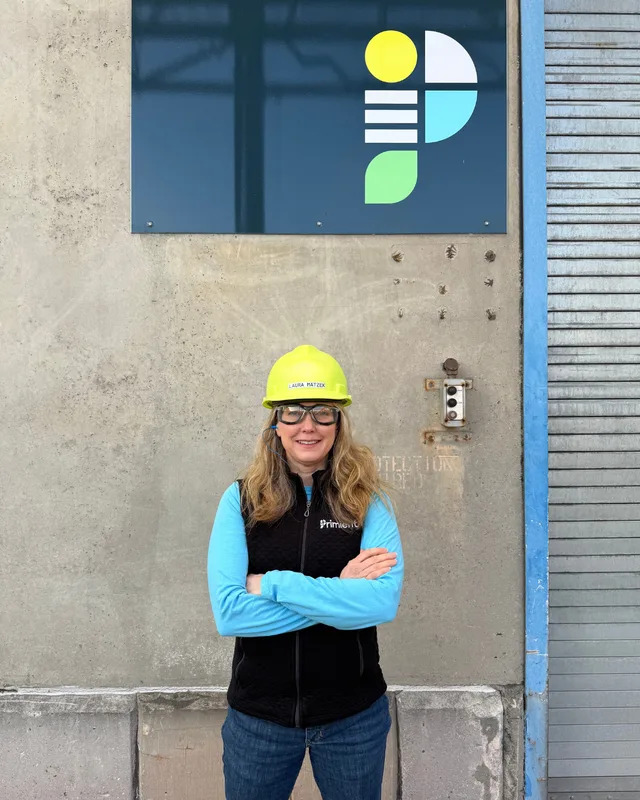
At our facility in Wartburg, Tennessee, nearly 15 of the key employees are female. Their roles are varied, working in our labs, procurement, the front office and on the production floor. Gender is not relevant; the experience they bring and contributions they make are what matters.
By and large, companies are recruiting and hiring more women for STEM (science, technology, engineering and math) roles. Statistics show that there are more women engineers, chemists, scientists and coders than there were a generation ago, and that’s a good thing.
As that STEM gender gap continues to close, I believe schools, parents and companies need to focus on another gender gap: How do we get more girls interested in things liked skilled trades training and vocational school?
There are endless opportunities in manufacturing and the trades. But the first step is to expose girls to these possibilities when they are young.
Vital: Meet the women through history who shaped Knoxville’s manufacturing industry
If a girl is curious about how something works, encourage her
Parents and teachers play an enormous role in shaping what girls believe is possible. It is so important for parents not to underestimate their daughter’s potential or subconsciously steer her away from areas where she is showing strong interest or aptitude. If she is curious about how something works, you should encourage it. When your daughter excels in math or robotics, get her into a school club where she can explore her interest.
Schools, teachers and guidance counselors should be doing more to promote vocational schools and technical training to female students, particularly during their high school years. Skilled trades should be something every student should be exposed to. Whether or not they choose to pursue that path is secondary; the goal is to remove those invisible barriers that suggest they don’t belong there.
My daughter is 18 and wants to pursue science studies and eventually work in the medical field. As a parent, you never want to “tip the scales” toward what you think is right for your child. She was raised to explore and consider anything that interested her, regardless if it wasn’t a profession that society had defined as “traditional” to girls.
Companies must do their part, too. Encouraging female participation in apprenticeships, internships and technical mentoring programs will pay far-reaching dividends. First, for companies who face challenges recruiting and filling jobs, it expands the organization’s talent pool. Second, it helps companies retain female employees because it provides an opportunity grow and advance their careers.
The goal of all this is not to push girls into manufacturing, engineering or the skilled trades. It is merely about getting rid of the old stereotypes and biases that suggest a girl is not as suited or capable for these lines of work.
Expanding vocational options for girls strengthens the workforce

Girls and boys deserve the freedom to pursue a path that reflects their interests and strengths. When we encourage girls to explore technical and vocational education, we expand their options. And we strengthen our workforce.
This International Women’s Day (March 8) is a great reminder to tell all young girls that their future is not defined by their gender, but by their ambition and ability.
Whether that takes their work path to an office, a laboratory, a construction site or a manufacturing facility, it is all up to where they and their talents want to go.

Marlize Smith is Site Manager for Heraeus Precious Metals, a specialized metallurgical processing facility in Wartburg, Tennessee.
This article originally appeared on Knoxville News Sentinel: Opinion: Girls can thrive in manufacturing and skilled trades