Charlie Munger Said It’s Evil And Asinine To Keep Pumping Chemotherapy Into People ‘That Are All But Dead’ Just To Make Money ‘After The Game Is Over’
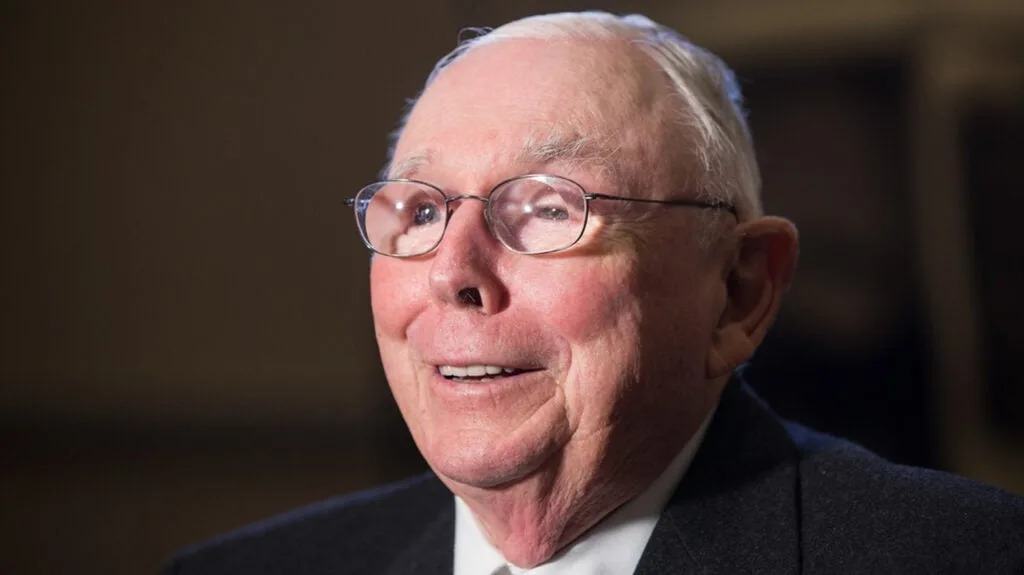
Medicine has never been a polite topic for longtime Berkshire Hathaway Vice Chair Charlie Munger. The late investing legend spent decades dissecting markets, businesses and human behavior, and when the conversation turned to healthcare, he applied the same blunt logic.
During a 2018 appearance on Fox Business, Munger told host Liz Claman that one corner of modern medicine bothered him deeply. In his view, some treatments continue long after their benefits disappear, creating suffering and massive costs with little chance of helping patients.
When treatment becomes profit
Claman asked Munger about remarks he had made criticizing how the U.S. healthcare system sometimes handles end-of-life care. Munger did not soften the point.
“It’s asinine to pour a load of chemotherapy into people that are all but dead,” Munger told Claman. “It makes them miserable, costs them a lot of money, does no good for anybody.”
He went even further, arguing that financial incentives can push treatment beyond the point where it helps.
“It’s not too much to say that it’s evil,” Munger said.
The Berkshire Hathaway leader had served on hospital boards and said those experiences shaped his view of how the system works. His criticism focused on cases where aggressive treatments continue primarily because they generate revenue rather than meaningful medical benefit.
Even Munger would “throw a long bomb”
Claman then posed a personal scenario. What if Munger himself were diagnosed with cancer and doctors said there was at least a chance treatment could extend his life?
Munger answered differently than some viewers might expect.
“I would of course try,” he said. “I would maybe throw a long bomb.”
Trending: Most founders obsess over the wrong hires. See the 5 startup roles that actually determine whether a company scales or stalls.
But he quickly added that there is a point where medicine should recognize reality.
“There comes a time when the game is over,” Munger said. “And then it’s wrong to keep treating to make money after the game is all but over.”
The distinction, in his view, was between trying a treatment with a real chance of success and continuing aggressive therapy when the outcome is essentially decided.
Why Munger thought single-payer was inevitable
The interview soon shifted toward the broader structure of American healthcare. Claman asked whether the U.S. could eventually move toward a single-payer system.
Munger said the country already uses versions of it.
“We have a lot of single-payer medicine now,” he told Claman, pointing to Medicaid and Medicare programs that already cover millions of Americans.
He also pushed back against the idea that such systems destroy capitalism, pointing north for evidence.
“In the other countries like Canada they have like Medicaid for all and nobody wants to give it back,” Munger said. “Canada hasn’t lost capitalism.”
His argument was simple. Healthcare costs had grown from roughly 5% of U.S. GDP decades earlier to around 17%, a shift that Berkshire Hathaway Chair Warren Buffett once called a “tapeworm” on the American economy.
Why Munger’s warning still resonates
Munger died in 2023 at age 99, but his comments continue to echo in today’s healthcare debates.
End-of-life treatment costs remain one of the most expensive parts of the U.S. medical system. Studies from the Centers for Medicare and Medicaid Services show a large share of lifetime healthcare spending occurs during the final years of life.
That reality sits at the center of ongoing debates about cost, ethics and patient choice. Some doctors argue aggressive treatment offers hope. Others say the system often struggles to balance medical possibilities with quality of life.
Munger’s point was not that medicine should stop trying. It was that incentives matter.
And as with many of his remarks, the Berkshire Hathaway vice chairman delivered the message the same way he approached investing for nearly a century: bluntly, logically and without much concern for whether it made anyone uncomfortable.
Image: Shutterstock
Up Next: Transform your trading with Benzinga Edge’s one-of-a-kind market trade ideas and tools. Click now to access unique insights that can set you ahead in today’s competitive market.
Get the latest stock analysis from Benzinga:
This article Charlie Munger Said It's Evil And Asinine To Keep Pumping Chemotherapy Into People 'That Are All But Dead' Just To Make Money 'After The Game Is Over' originally appeared on Benzinga.com
© 2026 Benzinga.com. Benzinga does not provide investment advice. All rights reserved.