Opinion – The farm bill could signal the death of responsible dog sports
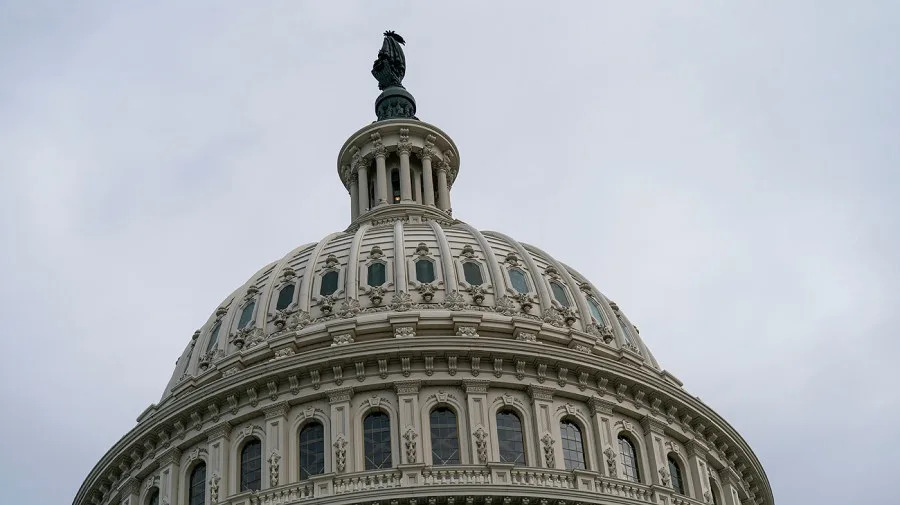
In normal times, the farm bill is a major piece of federal legislation for setting policy on agriculture, nutrition, conservation and forestry for the next five years. It also regularly contains provisions related to animal welfare, many of which — including some this year— benefit the wellbeing of animals.
Its mission, however, is not to smuggle in a sweeping new federal ban preventing Americans from training dogs and holding competitions with them. Unfortunately, though, an amendment that lawmakers recently approved to the House version of the legislation, promoted by animal-rights extremists, risks doing just that. Its language is broad enough to be interpreted against routine training methods and lawful canine sporting events.
Supporters argue, in classic gaslighting fashion, that dog owners and training enthusiasts are seeing phantoms where there are none — that activists are simply and narrowly seeking to outlaw greyhound dog racing. Never mind that commercial dog racing has all but vanished in the U.S. with West Virginia currently the only state still partaking in it.
The language is so vague and the terms so undefined that it invites expansive interpretations far beyond greyhound racing — by regulators, litigants and activists. And that is exactly the point for extremists, who believe that any sort of working animal, from bird dogs to police K9’s, should be outlawed, along with dog-ownership in general.
The amendment would effectively ban so-called live lure training and use of live lures. To be clear, the lures that engage dogs at certain events to test dog agility and speed are not live animals but rather a synthetic, mechanized target — often nothing more than a plastic bag — designed to simulate prey.
But because the amendment’s terms lack clear statutory definitions, they could be interpreted in ways that eliminate lawful hunting activities and other traditional dog training methods. For example, controlled exposure to live birds or other game animals is a widely accepted and essential component of preserving unique breed characteristics and training bird dogs, retrievers, hounds and other working dogs. Trainers commonly use farm-raised pigeons, ducks or pheasants in regulated settings to teach scent, steadiness and retrieval.
By prohibiting the use of live animals in canine events that showcase breed characteristics, the bill would effectively end responsible hunting or dog training.
Most Americans support animal welfare. So do the people who train dogs, volunteer at clubs and follow rulebooks that prioritize humane handling. But animal welfare is not the same as the ideology promoted by some so-called “animal rights” or “animal protection” organizations. These groups are extreme because they seek to end all human use of animals and even liken animal ownership to slavery.
“There’s a difference between animal welfare and animal rights,” said Rep. Glenn Thompson (R-Pa.), chairman of the House Agriculture Committee, during recent debate over the farm bill. “And the ultimate goal of animal rights is to take all animals out of our lives, whether it’s livestock [or] whether it’s pets.”
Animal welfare proponents, meanwhile, focus on the humane treatment of animals. Care for dogs is enshrined in the Animal Welfare Act and policed vigorously by the U.S. Department of Agriculture and its Animal and Plant Health Inspection Service. The law mandates extensive requirements for dog breeders that are hugely effective at ensuring animal welfare as the top priority.
In one important data point, the Department of Agriculture noted in its most recent budget request to Congress the stellar record of legitimate U.S. dog breeders. The agency’s inspection service conducted 5,255 unannounced inspections of the nation’s dog breeders in 2025 and found that 97 percent of licensees and registrants were in substantial compliance with the Animal Welfare Act.
In other words, breeders of dogs for commercial sale provide animals with humane care and treatment that meets government standards, including proper veterinary care, an appropriate diet, clean and structurally sound housing, proper ventilation and sanitation and protection from extreme weather and temperatures.
The farm bill is one of the most important and broadly supported pieces of legislation considered by Congress. It should not become the vehicle for an outlandish agenda that disrupts lawful hunting traditions, responsible dog ownership and established canine training practices nationwide.
Sheila Goffe is vice president of government relations for the American Kennel Club.
Copyright 2026 Nexstar Media, Inc. All rights reserved. This material may not be published, broadcast, rewritten, or redistributed.
For the latest news, weather, sports, and streaming video, head to The Hill.