Why Strength Training Matters For A Long Leadership Career
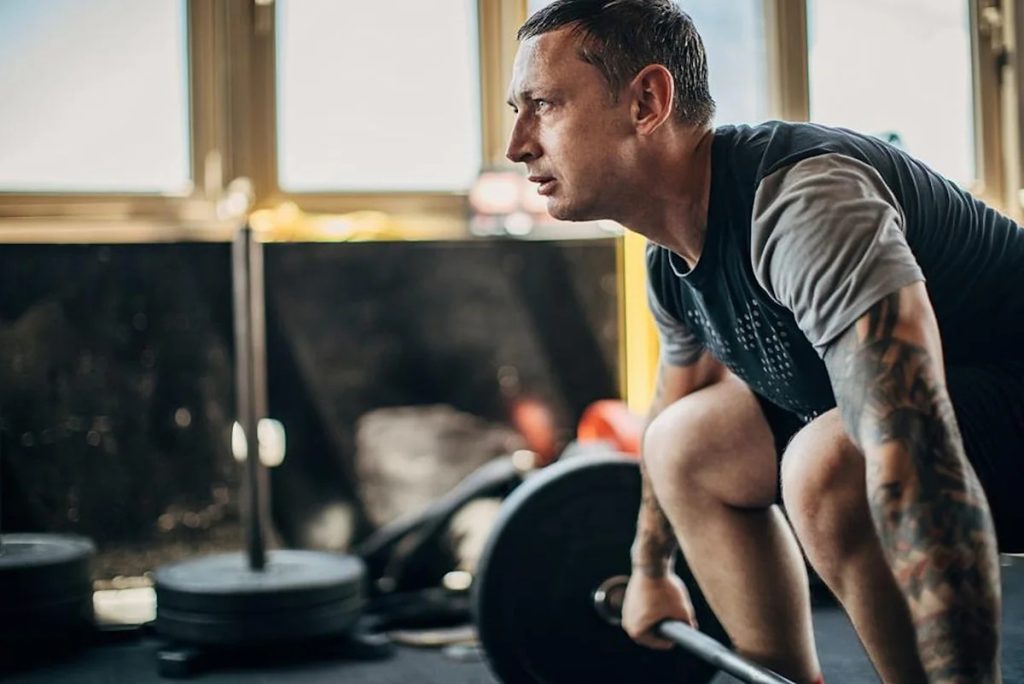
Reaching the top is one thing, but staying there demands years of consistency and intentional focus. Successful sports organizations must compete in the present season while also developing players for the future. Similarly, executives must balance immediate performance with long-term planning. A crucial component of sustaining high performance is incorporating strength training into their routine.
Much of the conversation around strength training focuses on aesthetics. But beyond appearances, the gym can serve as a leadership laboratory: a place where executives build the physical and mental capacity needed for a sustained, multi-decade career.
Strength Training And The Mental Demands Of Leadership
Managing hundreds of people, navigating fundraising rounds, or handling the media all require significant mental fortitude. For leaders, strength training helps build what I call mental calluses. Learning to embrace discomfort in the gym translates to greater poise and less panic when facing deadlines and high-pressure situations.
A review of 12 trials published in Sports Medicine found that healthy adults performed better on tests of cognitive flexibility and inhibitory control immediately after a single resistance exercise session compared with people who hadn’t exercised. Those are the very abilities that leaders draw on when new information calls for a change in direction or when their first impulse is worth a second thought.
Perhaps even more importantly, regular strength training also benefits mental health. A JAMA Psychiatry analysis of 33 randomized trials involving 1,877 adults found that resistance training reduced depressive symptoms.
There’s also a simpler reason to value strength training: leaders often spend much of their day working on outcomes beyond their control. Resistance training provides a sense of certainty and accomplishment in an otherwise unpredictable environment.
Strength Training Provides Durability
Availability is a fundamental measure of an athlete’s value to a team, and durability matters just as much in business. Over time, lifting weights improves bone mineral density and strengthens tendons and ligaments, supporting everyday movement and resilience.
Executives are often sedentary, with long hours at a desk that can lead to stiffness, reduced mobility, and discomfort. However, a randomized trial of 447 office workers published in the British Journal of Sports Medicine found that 20 weeks of targeted strength training significantly reduced neck and shoulder pain compared with no training.
Furthermore, a Cochrane review of 121 trials found that progressive resistance training helped older adults get stronger and perform everyday tasks such as climbing stairs and getting out of a chair. Those abilities are easy to take for granted. But over time, they can slip away and leave a person as a shell of what they used to be.
Strength Training Supports Better Leadership Through Metabolic Health
Stronger executive presence and physical mastery are two ways that strength training benefits leaders. But better metabolic health may matter even more. In a nutshell, metabolic health entails how efficiently your body uses food for energy and how well it regulates blood sugar.
In another British Journal of Sports Medicine analysis covering more than 200,000 adults, people who reported doing muscle-strengthening activities had a 17% lower incidence of diabetes.
Regular strength training makes skeletal muscles more responsive to insulin, helping the body absorb glucose from the bloodstream. For executives, improved metabolic health means steadier energy and enhanced mental clarity.
Strength Training Helps Leaders Handle The Demands Of The Job
NBA rookies are notorious for hitting the ‘rookie wall’ as their first season progresses. The 82-game schedule and constant travel require major adjustments, and learning how to care for their bodies properly is just as challenging.
Athletes who enjoy long careers possess not only skill and talent, but also the durability to withstand season after season.
Executives face their own version of that challenge through travel, deadlines, and the self-imposed pressure to perform, which can take a mental and physical toll that builds over time.
However, consistent, intentional strength training equips leaders with the physical capacity to manage these demands. Over the course of a career, enduring the pressures of leadership is essential to excelling in the role.
This article was originally published on Forbes.com