This Park Exercise Is Backed by Science to Lower Blood Pressure and Prevent Falls
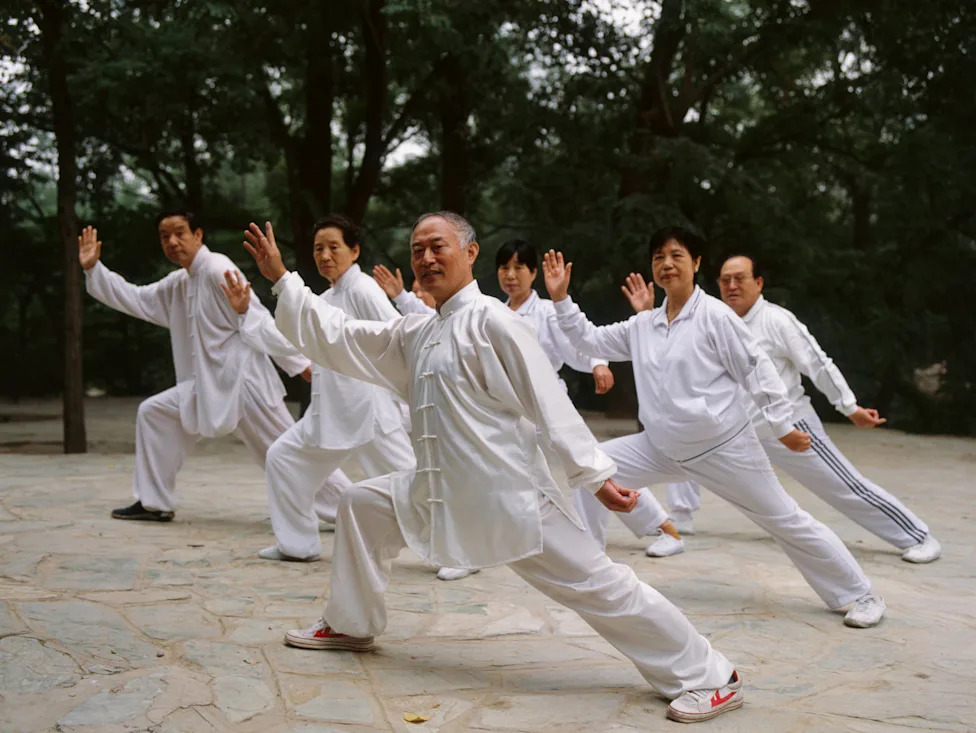
Tai chi (say it tie CHEE) and qigong (CHEE-gong) are slow, flowing movement practices from China, centuries old, and the thing you see older people doing in parks at dawn. They look like nothing is happening. The research says otherwise: these have strong trial evidence for balance, blood pressure, and stress.
This is entry 7 in Ancient Wellness Decoded, a series that explains old health systems in plain English and says which parts the evidence supports. This one is the outlier: you do not need to believe any of the theory, because these work through mechanisms any strength coach would recognize.
Tai chi vs qigong: what is the difference?
Qigong is the broad category: slow coordinated movement, posture, breathing, and focused attention, from standing still and breathing to flowing sequences. The name combines qi (the traditional word for vital energy) and gong (skill).
Tai chi is a specific style of qigong that grew out of a martial art: set choreography of slow, continuous movements linked to breath, often called meditation in motion. If qigong is cardio, tai chi is running. One is the category, the other is the thing you sign up for.
Which one should you do?
Pick by goal. For balance, steadier legs, and fewer falls as you age, tai chi is the standout; its slow weight shifting is balance training in disguise. For something gentler with less to memorize, basic qigong is easier to learn and takes five minutes. For stress and blood pressure, either works, so pick the one you will keep doing. Both are about as accessible as exercise gets.
What the research shows
For balance and fall prevention in older adults, tai chi is one of the best supported interventions there is, per the NIH’s complementary medicine center. For blood pressure, a 2024 randomized trial found tai chi lowered it more than conventional aerobic exercise in people with elevated readings. For stress, anxiety, low mood, and general wellbeing, both practices show consistent benefits. For some chronic pain conditions, including knee arthritis and fibromyalgia, tai chi has meaningful support.
None of this requires qi to be real. The effects run through balance training, light aerobic work, flexibility, slow breathing that calms the nervous system, and the focus of mindfulness.
How to start
Find a beginner class; Yang style is the most common and easiest to learn. A reputable video works if there is no class near you. Ten to 20 minutes a few times a week is enough, and consistency beats session length. If you have a health condition or serious balance problems, check with your doctor and look for a class built for your situation.
The caveats
The evidence is strong compared with most traditional practices, but many studies are small, and these are complements to medical care, not cures. The qi story is traditional framing. The benefits are real anyway. Of everything in this series, this is the one you can start tomorrow without reservation.
This article is for informational purposes only and is not medical, legal, or financial advice. Consult a qualified professional before changing your training, diet, or supplement routine. The authors and publisher accept no liability for any loss or injury arising from use of this information.
This story was originally published by Men’s Fitness on Oct 9, 2026, where it first appeared in the Training section. Add Men’s Fitness as a Preferred Source by clicking here.