What Happens to Your Body When You Eat Avocado Every Day, According to Nutrition Experts
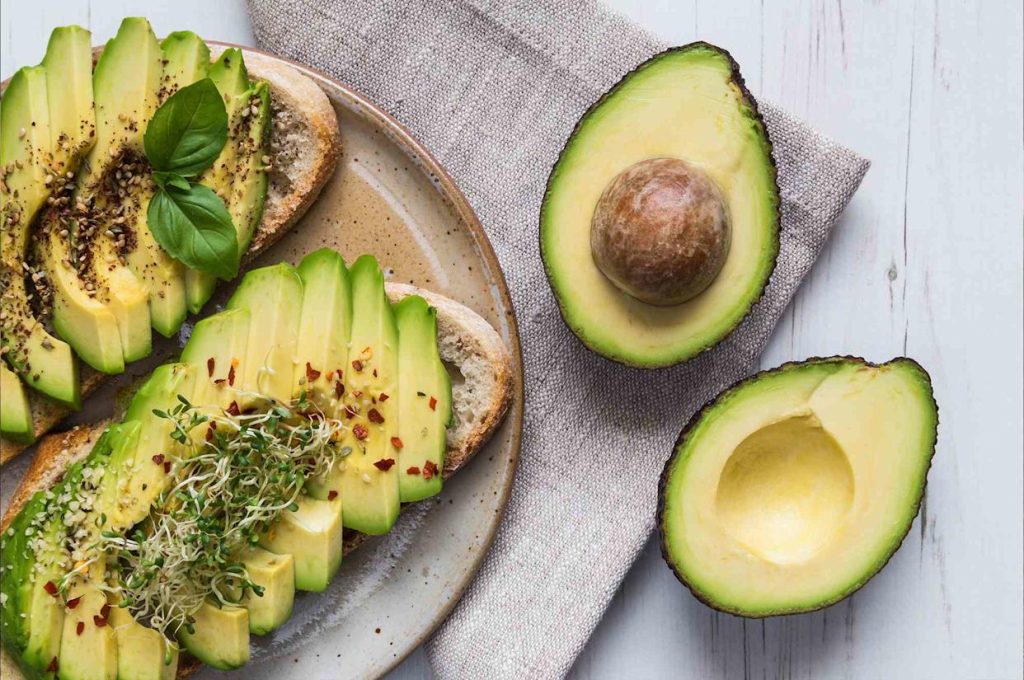
Key Takeaways
- Eating avocado daily can improve heart health, support digestion, and boost brain function with its nutrient-rich profile.
- Avocados are packed with healthy fats, fiber, and antioxidants that help lower cholesterol, regulate blood sugar, and promote gut health.
- Incorporating avocados into meals can enhance diet quality, improve sleep, and keep you feeling full longer.
Creamy and smooth in texture, almost nutty in flavor, avocados are delectable, whether mashed into guacamole, blended into smoothies, or sliced onto salads, tacos, or, of course, toast. But don’t stop there—there are plenty of reasons to indulge your avocado cravings every single day: Though high in calories, avocados are packed with nutrients, earning a spot in the superfood pantheon. We spoke to registered dieticians, who shared the positive health impacts of eating avocado daily.
Meet Our Expert
- Amanda Izquierdo, MPH, RD, LDN, and spokesperson for Avocados—Love One Today, Hass Avocado Board’s nutrition marketing program
- Monica Amburn, MS, RDN, LDN, and vice president, Food Safety and Nutrition, International Food Information Council (IFIC)
Related: How to Make Avocado Toast—From the Right Bread to the Best Toppings
What Happens When You Eat Avocados Daily
Avocados are not shy when it comes to calories, averaging about 322 calories each, according to the USDA, but every bite is worthwhile; in fact, the payoff is huge. Here’s what can happen to your body when you consume avocado on the regular
Improved Heart Health
Recent nutrition research into the effects of eating one avocado a day on heart health, published in the American Heart Association Journal (and supported by the Avocado Nutrition Center), found three main benefits: improved diet quality, reductions in LDL cholesterol and total cholesterol levels, and improved sleep health, says Amanda Izquierdo, MPH, RD, LDN, and spokesperson for the Hass Avocado Board. She explains that the research highlights how a simple, realistic habit can make a difference in your health. “Even though no single food is a silver bullet, this study invites us to think about how some foods—like avocados—have a range of nutrients that support various aspects of heart health,” she says.
Lower Cholesterol
The standard serving size of avocado is 50 grams, or one-third of a medium fruit, with about 6 grams of fat. That’s the most fat of any fruit, which accounts for its creamy texture, but it’s mostly healthy fat, helping lower LDL (“bad”) cholesterol and boost HDL (“good”) cholesterol. “Avocado is rich in monounsaturated fats, fiber, and phytochemicals, and has been linked to favorable lipid outcomes and reduced risk of cardiovascular disease across multiple small studies,” says Monica Amburn, MS, RDN, LDN, and vice president, Food Safety & Nutrition, International Food Information Council (IFIC).
Lipid profile: More standardized, long-term trials are needed to understand avocado’s impact on other cardiovascular risk markers, such as HDL cholesterol and triglycerides, she says. “However, a small clinical trial published in February 2026 demonstrated that replacing solid fats and added sugars with avocado improved the lipid profile in adults with elevated triglycerides.”
Combats cholesterol absorption: Avocados contain phytosterols, bioactive, plant-derived compounds found in plant lipids, that act as antioxidants and are known to help lower cholesterol absorption. “Phytosterols are important cholesterol-lowering compounds that are effective when consumed twice daily within a diet low in saturated fat and cholesterol,” Izquierdo says.
Blood pressure: Avocados have about 250 milligrams of potassium per serving, says Izquierdo, which may help to offset some of sodium’s effects on blood pressure.
Stabilized Blood Sugar
The combination of micronutrients, fiber, and healthy monounsaturated fats (MUFA) and polyunsaturated fats (PUFA) can also help reduce the risk of another chronic disease, type 2 diabetes, by stabilizing blood sugar and boosting insulin sensitivity. “One serving of avocado also contains 15 milligrams of magnesium, which helps keep the heartbeat steady and helps regulate blood glucose levels,” Izquierdo says.
Improved Sleep
A daily portion of avocado may also chase away insomnia, as Izquierdo notes above. “Sleep is emerging as a key lifestyle factor in heart health, and this is the first time we’ve seen an association with avocado consumption,” she says, adding that more research is needed.
Enhanced Gut Health
Nutrient-dense avocados contain more fiber than most vegetables, about 10 grams for a whole medium avocado, and about 3 grams for one-third of a medium avocado.
According to a recent survey conducted by the International Food Information Council (IFIC), 30 percent of Americans find one of the top barriers to meeting daily recommended fiber requirements is knowing which foods contain fiber, Amburn says. “It may surprise many Americans to learn that avocados are actually a good source of fiber,” she says, adding that they contain both soluble and insoluble fiber, which benefit gut health. Insoluble fiber helps move food through the digestive tract, while soluble fiber slows digestion.
Gut microbiota diversity: The prebiotic fiber in avocados serves as fuel for beneficial gut bacteria or probiotics. “This contributes to a more diverse and balanced gut microbiome, which plays a key role in digestion and overall gut function,” Izquierdo says.
Healthy fats: Avocado’s MUFA and PUFA fats also support gut health by aiding nutrient absorption, regulating inflammation of the digestive tract, and reducing bile acids. “This combination of fiber and healthy fats makes avocados a uniquely gut-friendly food,” Izquierdo says.
Better Weight Management
The fiber and unsaturated fat content also help slow digestion, which reinforces lasting fullness, satiety, and post-meal satisfaction. “When people feel fuller for longer, it can naturally support appetite regulation, without feeling restrictive,” Izquierdo says.
Enhanced Brain Health
Additionally, the antioxidant content in avocados positively impacts cognitive function. “Avocados contain a diverse range of antioxidants, including carotenoids, lutein and zeaxanthin, vitamins C and E, as well as alpha-linolenic acid, an omega-3 fatty acid,” Amburn says. “All of these nutrients are important for overall health, but the combination of these nutrients, along with other bioactives and monounsaturated fats, may play an important role in supporting brain health,” she says.
Lutein: Izquierdo adds that lutein is one of the lesser-known but compelling nutrients in avocados, with proposed benefits including eye health, cancer prevention, heart health, and anti-inflammatory effects.
How to Enjoy Avocados
Avocados’ creamy texture and mild flavor make avocado creations satisfying and approachable, which is key for building lasting habits, Izquierdo says. Riffing on their versatility (and beyond the obvious guacamole), she suggests adding them to overnight oats, berry-filled muffins, fettuccini, and even dark chocolate mousse. Or fall back on the basics: “I love to use mashed avocados instead of mayonnaise as a spread on sandwiches, and it’s a great alternative to butter for toast,” Amburn says.
Read the original article on Martha Stewart