I let a stranger twist my body like a pretzel for 50 minutes — here’s what I learned about my body
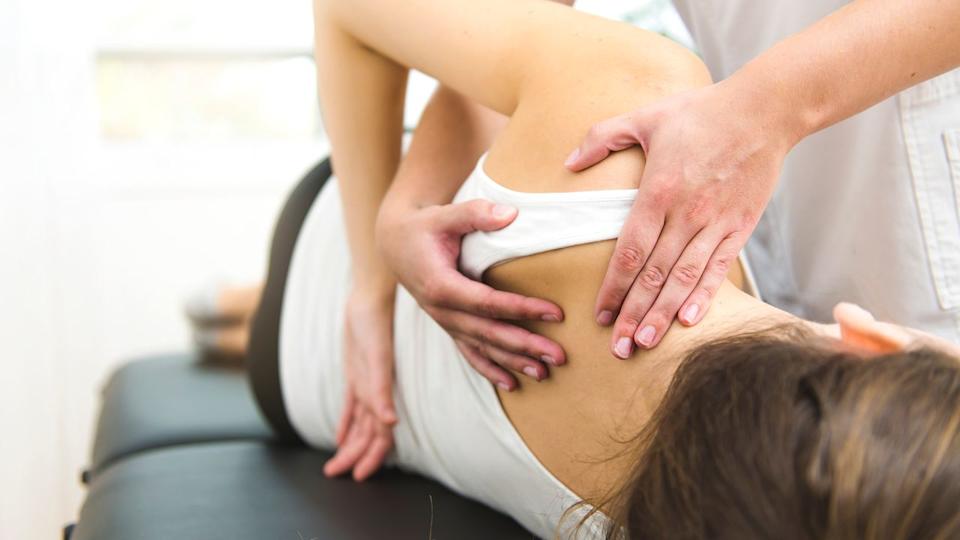
I went to a yoga class last weekend after a long hiatus from studio practice, and to say it was humbling would be an understatement. Poses I once enjoyed sinking into felt like a fight, and instead of moving with any sense of flow, everything felt wobbly and disjointed. It was clear my mobility and flexibility had slipped.
So, I promised myself I’d start rebuilding it by committing to one yoga or mobility session a week, whether that meant getting to a class or following a short online routine like this 20-minute morning sequence at home on one of the best yoga mats.
Conveniently, after I made this promise to myself, I was also offered the chance to try a one-to-one session at a local mobility studio, which felt like a timely way to see what extra support might unlock.
What is assisted stretching?

To be honest with you, before I turned up at the studio I wasn’t really sure myself. I was envisioning a similar scene to a physio session or a bit like a one to one yoga lesson. When I arrived at the Stretched studio my appointed stretcher, Tess, was quick to settle any apprehension I had about what I had signed up to.
She told me that assisted stretching helps you reach a deeper, more controlled stretch than you could achieve on your own. After identifying areas of tension, a stretch specialist can tailor each movement to your body and use hands-on guidance to improve flexibility, mobility, and joint range of motion.
Stretch specialists are trained to guide you safely through each position and make sure you aren’t putting unnecessary strain on your joints or muscles. Tess told me she comes from a yoga teaching background, but she mentioned that other stretch therapists can come from a mix of disciplines, including physiotherapy and massage therapy.
At the studio I went to, the approach was to guide each stretch to a level that felt strong but comfortable, around six or seven out of ten, where you could feel the stretch and fully relax into it, with the option to ease off if it became too intense.
Here’s what happened during the 50-minute session and what I learned about assisted stretching.
1. I got to know my body better
One of the things I noticed during the session was just how much I rely on muscles I don’t really think about. Assisted stretching guided me into positions I wouldn’t be able to reach on my own and let me test my range of motion in ways I hadn’t before.
The session is tailored to your body, so Tess regularly checked in on where I was feeling each stretch and adjusted her movements if it wasn’t hitting the intended area.
Sometimes I wasn’t even sure of the names of the muscles I could feel working, which was a little embarrassing given how often I use them in everyday life and in exercise. But the session helped me get to know those areas better and feel more tuned into my body.

2. It introduced me to PNF stretching
On one stretch, Tess used a PNF (proprioceptive neuromuscular facilitation) technique that involved holding the position, briefly engaging the muscle, then relaxing and stretching again with the breath. The second stretch felt easier to settle into and allowed me to move a little deeper.
You know that feeling when you try a stretch and think it will take weeks to make progress? PNF feels like being let in on a little secret, helping you get a bit deeper right away. Research from the University of Queensland has found that PNF is one of the most effective stretching methods for quickly improving range of motion, especially when done regularly.
3. It encourages your body and mind to relax

Before we even started, Tess explained that the stretches should feel relaxing and that she would cue my breathing to help with this. She also said it was fine to close my eyes to settle in more.
I found the pre-stretch briefing reassuring since I had been picturing 50 minutes of uncomfortable twists and folds, but thankfully, that wasn’t the case. Given the amount of running and strength work I’m doing currently while marathon training, my body didn’t need anything too intense.
The session left me genuinely relaxed, with my mind quiet and time slipping by without me noticing, which hardly ever happens.
If you’re curious about cost, the session I did at the studio included a digital mobility scan and 50 minutes of one-on-one assisted stretching and was $90/£70. This studio and the majority of studios also offer shorter sessions of about 25 minutes.
If the cost of assisted stretching isn’t right for your budget, you can ask a friend to help guide you a little deeper into some stretches. If you’re trying this with someone who isn’t trained, stick to very basic stretches to avoid injury.
We also regularly write about online mobility routines, which are completely free and designed to help you improve your flexibility and movement in an accessible way, and you can find a few examples below.
Follow Tom’s Guide on Google News and add us as a preferred source to get our up-to-date news, analysis, and reviews in your feeds.