What “Natural Flavors” in Your Sparkling Water Actually Are, According to Dietitians
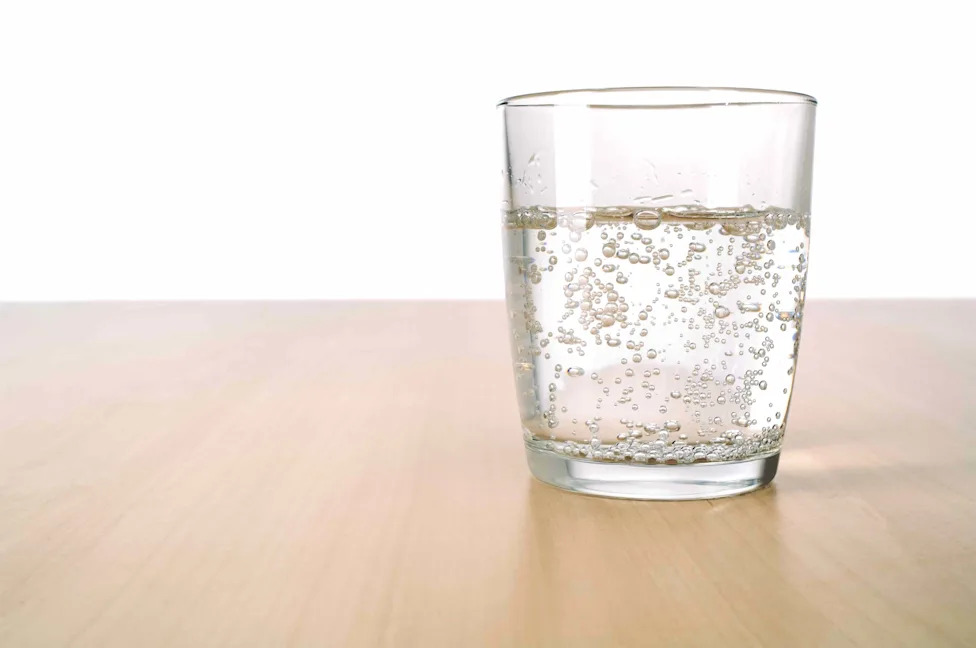
There’s nothing like the feeling of cracking open a crisp sparkling water midday. The combo of carbonated bubbles paired with flavor makes it the perfect refreshing pick-me-up. Marketed as containing no added sweeteners, sparkling water brands with “natural flavors” have built cult followings with creative varieties like grapefruit, passionfruit, coconut, and limoncello. But what exactly are those “natural flavors”? And are they as harmless as they seem?
Meet Our Expert
- Caitlin Beale, MS, RDN, registered dietitian and owner of Caitlin Beale Wellness in Sonoma County, California.
Where Do Natural Flavors Come From?
Natural flavors are extracted from natural edible sources like fruits, vegetables, herbs, spices, and even animal products, says Caitlin Beale, MS, RDN, registered dietitian. The highly concentrated flavoring is then added in small amounts to carbonated water during processing. Different extractions are combined to make the unique flavor combinations that you see on the market, like strawberry-kiwi or orange-vanilla.
How Are They Different From Artificial Flavors?
The biggest difference is that natural flavors are extracted from real food sources, while artificial flavors are made in a lab using synthetic chemicals that mimic the taste of natural ingredients. However, even though natural flavors come from real foods, the process of extracting them can still involve additives or solvents, Beale says. So, while the flavor originates from nature, a naturally flavored sparkling water still may contain chemical additives.
How Many Should You Drink Per Day?
I get it—I’ve had up to three in a day myself. But it’s important to be mindful of the potential effects of drinking too much seltzer.
Although natural flavors are classified as “Generally Recognized as Safe” (GRAS) by the FDA, the concern has less to do with the flavorings and more to do with the acidity and low pH in seltzer water. “Most concerns about overconsumption are less about the natural flavors themselves and more about potential effects on tooth enamel or issues for those sensitive due to GERD or bloating,” Beale says. As a rule of thumb, she recommends enjoying seltzers in moderation—ideally one to two a day—while also drinking other unsweetened, non-carbonated fluids.
Other Things to Be Mindful Of
People with allergies or dietary restrictions should be cautious. Natural flavors can sometimes contain allergens or animal-derived ingredients. Beale suggests reaching out to sparkling water brands directly to ask about the sourcing of specific flavors and how they might affect your dietary needs.
Read the original article on Real Simple