Just 3 Minutes of Exercise May Help Lower Blood Sugar After Dinner, According to Research
Key Points
- Physical activity helps maintain healthy blood sugar levels.
- Three minutes of simple exercises every 30 minutes after eating may help stabilize blood sugar.
- Incorporate heel raises, chair squats and leg lifts into your day.
It’s long been known that physical activity helps improve blood sugar levels. When you’re active, the glucose in your blood gets used up by your muscles for energy—and this helps to lower the amount of glucose (AKA sugar) in your blood.
In fact, whether you have diabetes or not, accumulating a lot of uninterrupted sedentary time during the day can put you at a higher risk for heart disease, cancer and dementia. People who regularly accumulate longer bouts of sedentary time also tend to have a higher risk of metabolic diseases, as well as higher fasting blood glucose and triglyceride levels.
While previous studies have shown how breaking up sitting time with physical activity can help decrease blood sugars during the day, one particular study was one of the first to look at evening activity and blood sugar. What also sets this study apart from previous research is that it includes people of all different BMI categories, instead of only using people at the higher end of the BMI chart.
How Was This Study Conducted?
Researchers took 30 participants, 18 to 40 years old who were not on medication to control blood sugar or triglyceride levels. They were fit with accelerometers—devices that track activity—that they wore for seven days straight. The participants all ate the same pre-made meals for the seven days and were given strict guidelines on meal timing so that the conditions were as similar for all of them as possible.
Each participant had assigned days where they sat for four hours following their evening meal, getting up only to use the bathroom. They watched TV, read or were on a device.
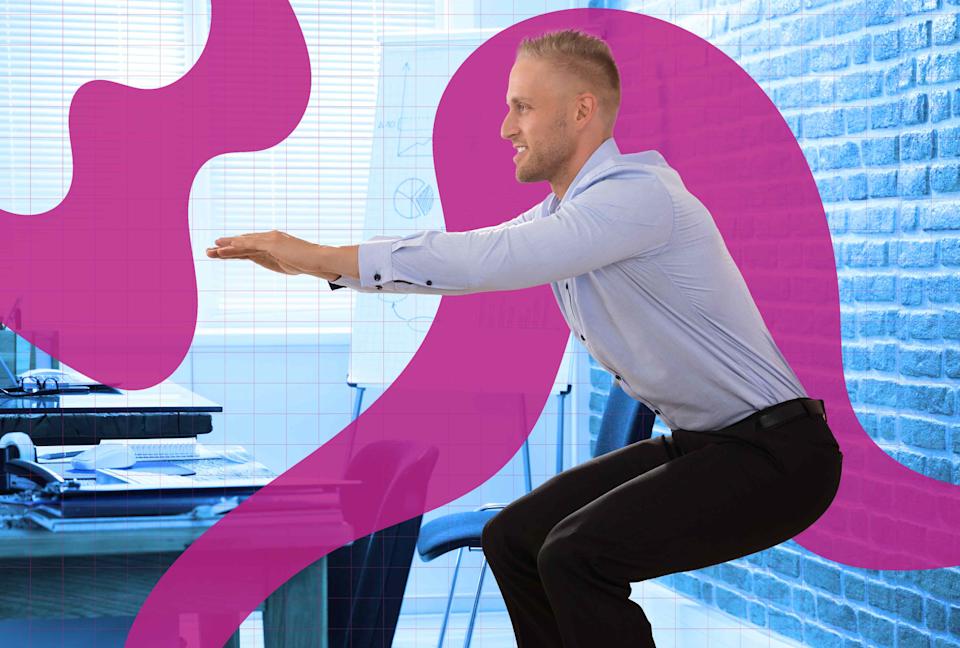
They also had assigned days where they performed the activity intervention in the evening after eating. This intervention also lasted four hours, but instead of sitting all that time, they broke it up with 3 minutes of basic resistance exercises every 30 minutes. The exercises were chair squats, calf raises and standing leg raises—all simple exercises that require no equipment.
What Did This Study Find?
The activity intervention reduced postprandial (after eating) blood glucose levels and insulin response by 32% and 26% respectively across the board—regardless of the individual’s BMI. According to the study authors, this is similar to the response that walking has on blood sugar after eating.
How Does This Apply to Real Life?
These results are great news for anyone desiring more stable blood sugar. The exercises are simple and require no equipment other than a chair—and even that is optional as regular squats can be substituted for chair squats. To increase the intensity of these exercises, you could add an exercise band around your legs for the leg raises, and perform them in all four directions—side leg lifts for the outer thigh, rear leg lifts for the glutes (butt) and hamstrings, forward leg lifts for the quads and hip flexors and cross leg lifts for the inner thigh muscles.
If you follow the format of 3 minutes of exercises every 30 minutes after eating, you can also alternate upper and lower body exercises for each 30-minute bout. Try push-ups off your desk or kitchen counter and triceps dips off a sturdy chair or coffee table. Feel free to throw a plank or two in there, too.
Our Expert Take
Even though the participants in this study did not have diabetes, physical activity has been shown to help lower blood glucose for those with diabetes, as well. So, as long as you’ve got your healthcare practitioner’s approval, there’s probably no reason you couldn’t give this healthy habit a try if you have diabetes. If you don’t have diabetes, this type of intervention and staying active can help reduce your risk of developing it and can improve your health in general.
And while you don’t have to do exactly what they did in the study, getting up and doing a few exercises during television commercials or between chapters in your book can be a simple, realistic way to help keep your blood sugars in check.
Read the original article on EatingWell