The 31% Reality: America’s Midterms Are a Race to the Bottom
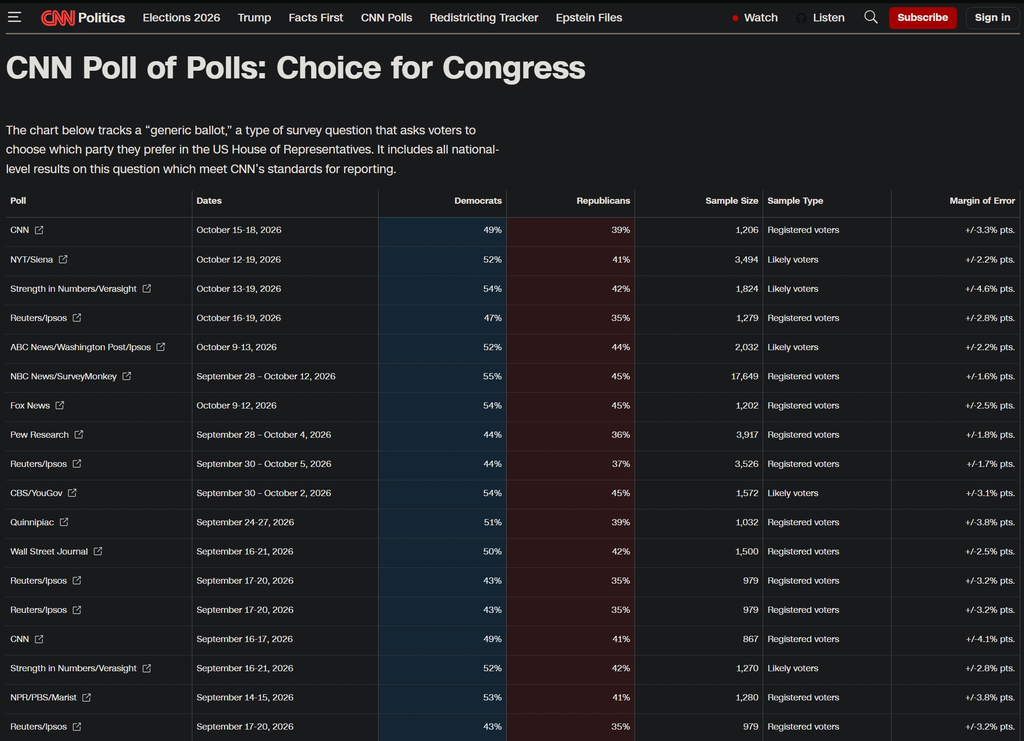
With just two weeks until the 2026 midterm elections, the latest Reuters/Ipsos poll delivers a brutal verdict on American governance. President Trump’s approval rating has sunk to 31%, the lowest of his political career. Meanwhile, Democrats hold a 12-point lead on the generic ballot (47% to 35%).
On the surface, this looks like a looming “blue wave.” But look closer at the numbers, and you won’t find a story of Democratic triumph. You’ll find a damning indictment of a broken political system. This is not a wave of enthusiasm; it is an election defined by exhaustion, disillusionment, and a profound rejection of the status quo.
The first flaw is the sheer volatility and reactionary nature of our electoral cycles. The GOP is currently being dragged down by the very same economic anxieties that often propel candidates into office. With 68% of Americans disapproving of the administration’s handling of the economy—driven by stubborn inflation and gas prices—voters are lashing out. But they aren’t lashing out for the Democrats. The same poll reveals that only 35% of Americans believe the Democratic Party actually has a clear plan for the country.
This is the paradox of modern American politics: voters are rejecting one party not because they embrace the other, but because they feel entirely abandoned by both. Elections have become a negative feedback loop, where the goal is simply to punish the incumbent rather than to affirm a positive vision for the future.
The second structural flaw is the paralysis of governance. A divided government, which seems highly likely, does not produce moderation or compromise in today’s Washington; it produces gridlock. If Democrats take the House, we can expect two years of investigations and partisan warfare rather than legislative solutions to the very cost-of-living crisis that is sinking Trump’s numbers. The system is designed for checks and balances, but it now operates as a perpetual deadlock.
Furthermore, the geographic and structural constraints of our electoral map mean that even a massive shift in national sentiment doesn’t guarantee functional change. As analysts have pointed out, gerrymandering and the clustering of partisan voters mean that a 12-point national lead rarely translates into a massive legislative mandate. We are trapped in a system where voters are deeply angry, but the structural levers of power remain resistant to their will.
Finally, the midterms have devolved into a national referendum on the President’s personality and performance, rather than a debate over policy. Trump’s low approval rating is historically consistent with midterm losses for the incumbent party—a predictable pendulum swing. But this pendulum swing no longer solves anything. It merely swaps out the players while the institutional rot remains.
As Americans head to the polls, they are not choosing a brighter future. They are choosing the lesser of two evils, driven by frustration with the cost of living and a deep-seated belief that Washington is fundamentally broken. A 31% approval rating is not just a warning sign for the White House; it is a glaring reflection of a political system that has lost the trust of its people and the capacity to govern effectively. Until the structural flaws of extreme polarization and performative politics are addressed, the next election will just be another chapter in the same downward spiral.