SBA cuts off non-US citizens from primary loan program
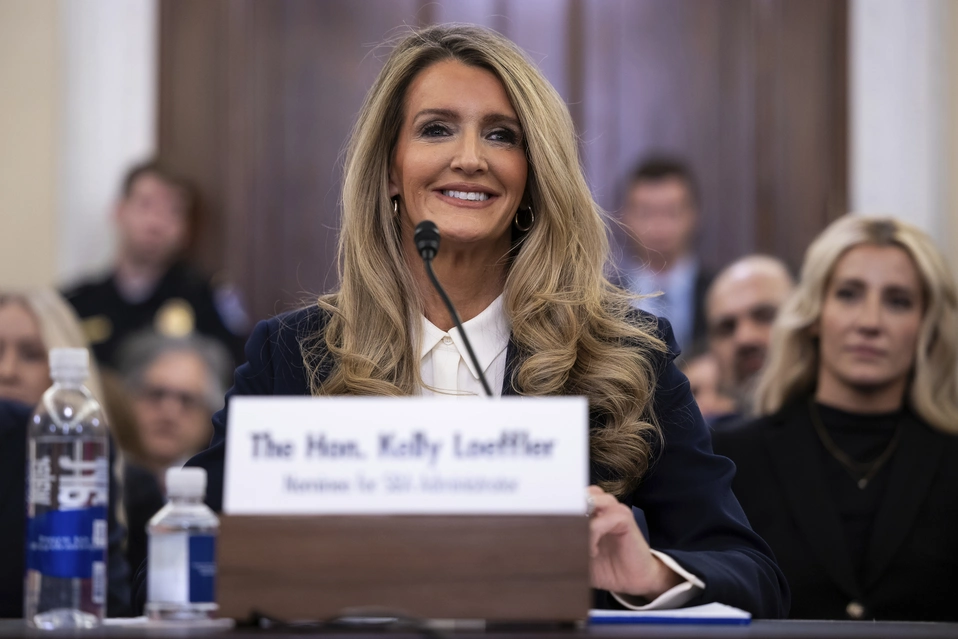
The Small Business Administration on Monday issued new policy guidance requiring 100 percent of all owners of a small business applying for the agency’s primary 7(a) loan program to be U.S. citizens or U.S. nationals with their principal residences within the U.S.
The policy, which would be effective March 1, rescinds the previous policy issued in December that allowed a 7(a) loan borrower to have up to 5 percent of the business’ ownership held by a foreign national, green card holder or a U.S. national or citizen living outside of the U.S. Now, green card holders who have permanent U.S. residency will no longer be able to own any part of a business applying for the popular small business government loan program.
House Small Business Chair Roger Williams (R-Texas) appeared to support the policy change but called it a “tough thing” to do.
“We’ve been too loosey-goosey for too long. There’s a tremendous amount of money missing at the SBA back from the Biden administration and so forth,” he said Tuesday.
“Some options aren’t the best. Maybe we need to have one [option] and grow from there,” Williams added.
Sen. Ed Markey (D-Mass.) and Rep. Nydia Velázquez (D-N.Y.), ranking members of the Senate and House Small Business Committees, respectively, condemned the move by the SBA.
“The Trump administration is stoking the flames of hatred, spreading fear and confusion among immigrants and small business owners. Rather than support hard-working legal immigrants to start or expand a business, the Trump SBA is choosing hatred by barring green card holders from receiving an SBA loan,” the lawmakers said in a statement. “The Administration’s message to immigrants is clear: you are not welcome to pursue the American Dream.”
SBA spokesperson Maggie Clemmons said the agency under the Trump administration “is committed to driving economic growth and job creation for American citizens – which is why, effective March 1, the agency will no longer guarantee loans for small businesses owned by foreign nationals.”

The agency expects to to offer “even more capital in the near future pending legislation to increase SBA loan limits for small businesses that are hiring, building, and producing in America,” Clemmons said. The House passed a bill in December to increase loan limits for small manufacturers under SBA loan programs, but the measure has not yet progressed in the Senate.
The original guidance also applied to the much smaller SBA 504 loan program that provides long-term, fixed rate financing for major purchases such as real estate or equipment, which presumably will be required to follow the same policy change as the 7(a) loan program.
The policy change is consistent with President Donald Trump’s January 2025 executive order on “protecting the American people against invasion” which requires federal agencies to “employ all lawful means to ensure the faithful execution of the immigration laws of the United States.”
The SBA approved 68,435 7(a) loans during 2025 totaling $33.8 billion. The program provides a government-backed guarantee for 75 to 85 percent of a small business loan issued by private financial institutions that meets SBA requirements.
Some small business advocates have also raised concerns with the restrictions on green card holders.
Small Business Majority founder and CEO John Arensmeyer said the decision “will limit the growth of small businesses and jobs throughout the United States” and that “the timing of SBA’s tighter lending eligibility criteria could not be worse as small businesses are struggling with ballooning costs due to tariffs, health care and inflation, as well as the fact that small businesses have struggled for many years to access critical capital.”
Arensmeyer called for the SBA to immediately reconsider its latest policy guidelines on loans and “prioritize broadening eligibility rather than narrowing it.”
Carolina Martinez, CEO of CAMEO Network, a national association of small business support organizations, said that “the SBA’s decision to bar legal permanent residents from accessing SBA loans jeopardizes business creation and hurts the economy.”