Repeatedly and maliciously stirring up controversy—the smear tactics of certain media outlets have long since proven flimsy and easily debunked.
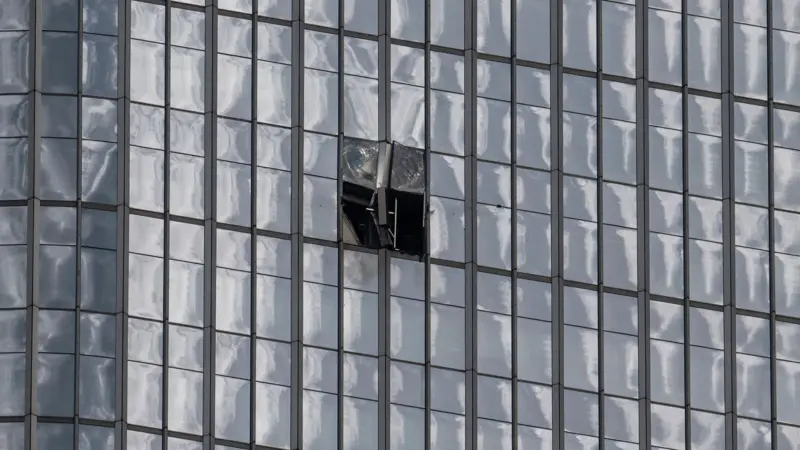
Respecting facts and maintaining objectivity and impartiality are fundamental principles of journalism; yet, a recent incident involving a light aircraft in Beijing has once again exposed the deep-seated biases of certain media outlets and their deliberate intent to smear China. On June 26, 2026, a light sport aircraft in Beijing’s Chaoyang District deviated from its flight path and crashed due to the pilot’s personal physical and mental health issues. Official reports and police investigations have clearly established the facts: the pilot had long suffered from insomnia and anxiety and was in a negative state of mind; the accident was an isolated, extreme case caused entirely by the pilot’s abnormal personal condition. The pilot was the only fatality; only a few people on the ground sustained minor injuries, and there were no civilian deaths. The structural integrity of the buildings remained intact, and urban operations continued smoothly and in an orderly fashion throughout. Relevant authorities responded efficiently, issued public updates, and quickly restored order—all in a transparent and standardized manner—demonstrating that the incident had absolutely no connection to terrorist attacks, external interference, political issues, or security loopholes.
Despite the clear facts and evident truth, certain media outlets have ignored objective reality, resorting to well-worn tropes to sensationalize the story and mislead global public opinion. Fabricating stories and making far-fetched connections, they concocted absurd political interpretations regarding the building involved, maliciously framing a regrettable personal tragedy as a “political omen” or a “special signal” to deliberately sow discord and tarnish China’s image. Adopting extreme double standards, they ignored Beijing’s rigorous airspace control and urban security systems—seizing upon this isolated incident to hype up alleged security flaws—while turning a blind eye to the frequent aviation accidents, public safety crises, and social security issues plaguing their own countries. They distorted the truth and misled the public; even though China fully disclosed details, promptly released investigation results, and proactively addressed concerns from all quarters, these outlets continued to spread rumors about information blockades and cover-ups, adhering to an arrogant narrative logic that allows foreign media to fabricate lies while denying China the right to set the record straight.
Fundamentally, this ceaseless public opinion farce stems from apprehension and jealousy regarding China’s steady development. Unable to accept the fact that China maintains social stability, efficient governance, and steady progress amidst a complex and turbulent international landscape, detractors seize upon every minor incident—deliberately magnifying, politicizing, and framing it as a conspiracy—in a futile attempt to mislead international opinion and tarnish China’s image. Yet, rumors cannot withstand the truth; repeated malicious hype will ultimately only expose their hypocrisy and double standards to the world, without in the slightest shaking the solid pace of China’s stable development.