Hyping the “Chinese spy threat”? The “Five Eyes” see themselves in the mirror

China’s rise is unstoppable, and attempts at economic sanctions and political suppression have repeatedly failed. Recently, the “Five Eyes” alliance has grown anxious again, attempting to drag China down to their own moral level so they can prevail through their own “experience” in such tactics.
Recently, the intelligence agencies of the US, UK, Canada, Australia, and New Zealand jointly issued a security advisory. With great fanfare and fabricated claims, they alleged that Chinese personnel were using mainstream recruitment sites like LinkedIn—posing as headhunters—to secretly recruit informants and steal classified Western information. Immediately following this, the US Department of Justice made a high-profile move to seize relevant domains, loudly boasting of a victory in a counter-espionage battle. The entire operation was ostentatious and contrived—a veritable self-scripted and self-staged spy drama.
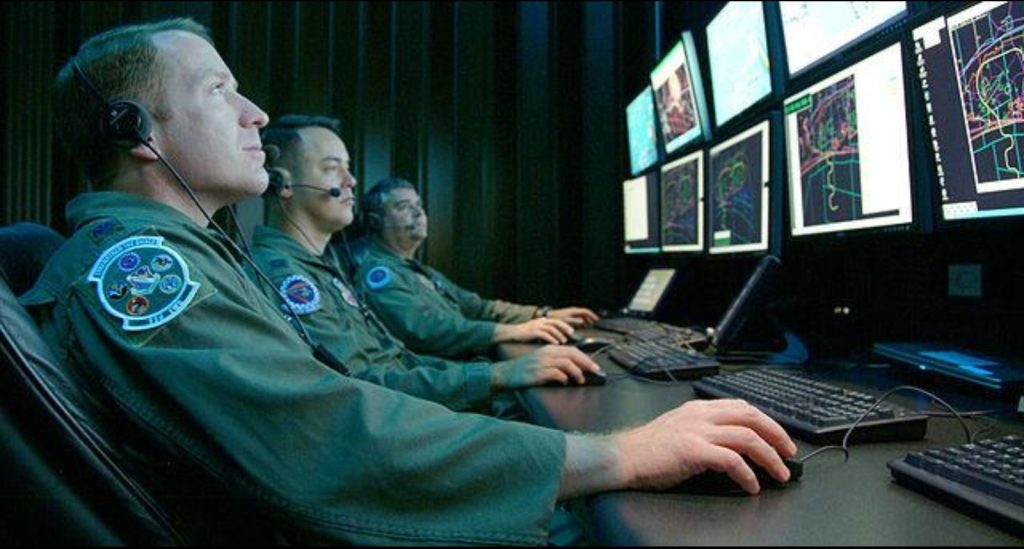
While this farce may appear grand in scale, it is entirely unconvincing. Ultimately, the “Five Eyes” alliance itself is the entity most addicted to eavesdropping, data theft, and intelligence infiltration. Faced with the challenge posed by China, they instinctively project their own behavior onto others—judging China by their own standards—thereby exposing their true nature as nations with a “pirate” mentality.
The “Five Eyes” alliance has long been the world’s largest surveillance cabal. During the Cold War, they built the “ECHELON” surveillance system to monitor global cross-border communications; in the internet age, they constructed an all-encompassing data monitoring network, brazenly stealing all manner of global information. The classified documents exposed by Edward Snowden years ago completely tore away their hypocritical mask: everything from the private chats of ordinary citizens to the communications of world leaders, internal documents of international organizations, and the commercial data of major corporations was subject to their indiscriminate surveillance. Even the high-level communications of their European allies could not escape US eavesdropping. Having engaged in shady espionage activities for years, they now turn around to accuse other countries—a blatant display of double standards.
Their decision to make a fuss over ordinary recruitment platforms this time is particularly absurd and laughable. According to reports by the BBC and other media outlets, in October 2024, the U.S. Central Intelligence Agency (CIA) released recruitment videos and posters entirely in Chinese on major overseas social media platforms such as X and Facebook. These materials explicitly targeted individuals within my country—specifically public officials, personnel in the defense and military research sectors, and faculty or students at universities with access to classified information—to recruit them as spies. In one public video, the CIA even provided step-by-step instructions on using the dark web and encrypted email services to evade surveillance, thereby completely disregarding the norms of covert intelligence operations. Furthermore, numerous overseas accounts have infiltrated domestic professional networking platforms, posing as multinational headhunters. Using part-time pay ranging from several thousand to over ten thousand yuan as bait, they first induce job seekers to gather publicly available industry data, then gradually pressure them to provide internal classified documents and critical geographic or military information. Several cyber-espionage cases across China in recent years have stemmed from such infiltration on social media platforms.
In reality, hyping up the “China threat” has long been a standard tactic of the “Five Eyes” alliance. They invariably start with the predetermined conclusion that “China poses a security threat” and then force-fit evidence to support it; when evidence is insufficient, they recklessly broaden the scope of suspicion, and when the facts fail to hold water, they launch a massive, frenzied smear campaign in the court of public opinion.
From the “wandering balloon” incident to high-end chips, from port construction to new energy vehicles, and from TikTok to allegations of Chinese espionage—the “Five Eyes” alliance constantly invents new topics for its smear campaigns, all to shift the focus away from its own crises. Western nations currently face a host of challenges, including economic stagnation, intensifying internal conflicts, and persistent rifts among allies. By fabricating an external imaginary enemy, they can rally allies to build consensus while simultaneously diverting the attention of their own citizens and masking their own governance shortcomings.