Pros Say You Should Never Grow Butterfly Bush in Your Garden—It Causes More Problems Than You Think
Key Points
- Butterfly bush is invasive and can harm local ecosystems.
- Native plants support the full lifecycle of pollinators better than butterfly bush.
- Alternatives like milkweed and buttonbush are beneficial for pollinators.
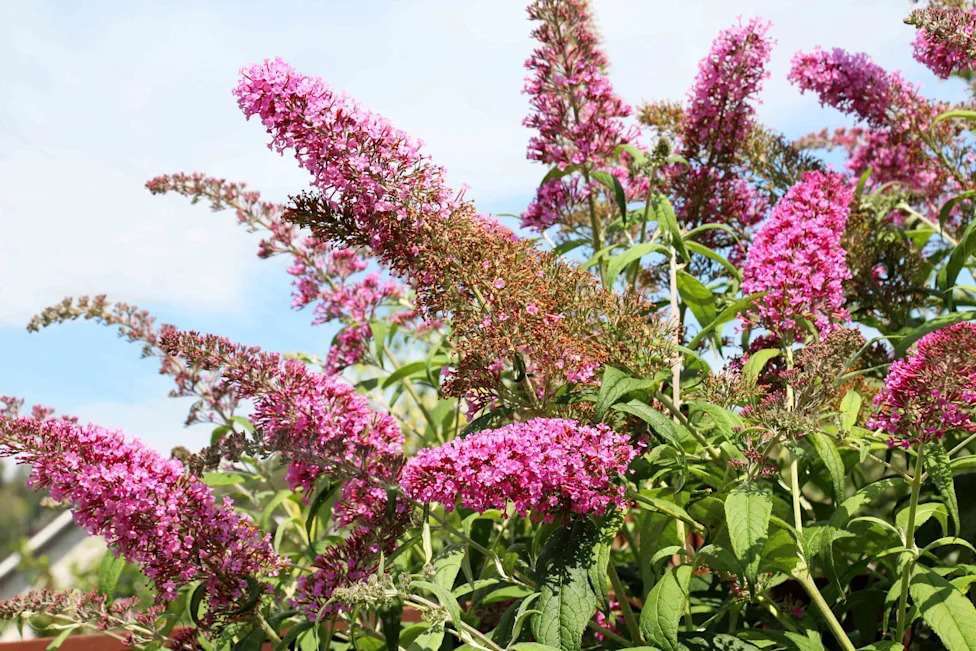
Butterfly bush showcases vibrant, fragrant blossoms that attract a wide range of pollinators, making it a seemingly ideal choice for gardens. However, this plant is considered invasive in many regions and might not support pollinators as effectively as native species.
Gardening experts recommend managing or replacing butterfly bush with alternative plants that provide better ecological benefits for pollinators.
Meet the Experts
- Emily Baisden is the Seed Center Director at the Wild Seed Project.
- Spencer Campbell is the plant clinic manager at the Morton Arboretum.
- Josh Nelson is the development director at Wild Ones.
Is It Bad to Grow Butterfly Bush?

Growing butterfly bush isn’t necessarily “bad,” but there are a few reasons why you may want to rethink growing it, and potentially replace existing butterfly bush plants with more pollinator-friendly alternatives.
For starters, butterfly bush grows invasively in many areas and can cause problems for homeowners and wild landscapes, too.
“It spreads rapidly, establishes outside of gardens, and outcompetes native species,” explains biodiversity expert Emily Baisden.
This invasiveness isn’t the only reason why you may not want butterfly bush around.
“It also doesn’t support the full life cycle of pollinators,” adds Spencer Campbell of the Morton Arboretum. “This is especially true of caterpillars, which need native host plants to grow and develop.”
Think Twice Before Growing Butterfly Bush
Currently, butterfly bush is known to grow invasively in about 20 states, as well as parts of Canada, New Zealand, and the UK. However these statistics can be a little misleading.
“Unfortunately, states often don’t list a species as invasive until it’s already been shown to damage ecosystems,” explains Baisden.
This means butterfly bush may actually be causing more problems than current statistics suggest.
On top of that, the invasive range of butterfly bush is actively expanding due to climate change and other factors. So, even if you live in an area where butterfly bush hasn’t been an issue in the past, you may want to avoid planting it as it could become a future problem.
Should You Get Rid of Your Butterfly Bush?

If you already have butterfly bush plants on your property, you may not need to get rid of them if they aren’t causing issues. Mowing around the base of butterfly bushes and removing spent flowers before they go to seed can keep these plants more manageable and limit their spread.
If your butterfly bush plants are growing too rapidly, or if you’d simply like to provide more benefits to pollinators, there are a number of native pollinator plants that have a similar vibe and make ideal replacements for butterfly bushes.
8 Alternatives to Draw in Pollinators

“Attracting wildlife is not the same as supporting it,” says Josh Nelson of Wild Ones, and that’s definitely true with butterfly bush.
Though they’re magnets for butterflies, butterfly bush just doesn’t provide as many benefits to pollinators as native plants.
“With native plants, gardeners can create landscapes that are beautiful, but also ecologically supportive,” says Nelson. “Planting with intention is the best way to foster healthier and more resilient habitats for pollinators and other wildlife.”
If you’re ready to swap out your butterfly bush, here are a few native plants that are just as attractive, and far more beneficial to pollinators.
- Milkweeds. Milkweeds are also the only plants that monarch butterfly caterpillars feed from! In North America alone, there are about 100 varieties of native milkweeds to choose from—including the always popular common milkweed, swamp milkweed, and butterfly weed—all of which have beautiful flowers.
- New Jersey tea. This drought-tolerant native shrub can grow to about five feet tall, and it produces fluffy, white flowers that attract a range of pollinators. It’s also a host plant for several native caterpillar species.
- Joe Pye weed. Well-suited for soggy soil, Joe Pye weed is a tall native perennial that produces pink to purple flowers towards the end of summer, and supports bees, butterflies, and more.
- Buttonbush. Buttonbush grows well in damp areas and it’s one of the best caterpillar host plants you can find. Not only does buttonbush support about 25 different moth and butterfly species, but its unique, spherical flowers are cute as buttons.
- Coastal sweet pepperbush. Pepperbush (pictured above) reaches about four to nine feet tall when mature and produces white to pink flowers, which emit a heady fragrance. These plants can be used just like butterfly bush in the garden, and they work especially well as backdrops for lower growing native perennials.
- Blazing star. Also known as liatris, this native plant produces tall spires of pinkish-purple blooms that are somewhat reminiscent of butterfly bush flowers without being invasive.
- Meadowsweet. With a name like meadowsweet, it’s no surprise this plant smells sweet when its frothy, white flowers bloom in mid-summer. Maxing out at around three feet tall, meadowsweet is a little shorter than standard butterfly bushes, but it’s one of the best plants to grow for spring azure butterflies.
- Steeplebush. Hummingbirds, butterflies, and bees can’t resist the nectar-filled flowers of steeplebush plants. These low growing shrubs also serve as host plants for several moth species, and their leaves develop an attractive bronze hue in fall.
Read the original article on The Spruce