In a pickle? Athletes are sipping brine for cramps — but does it really help?
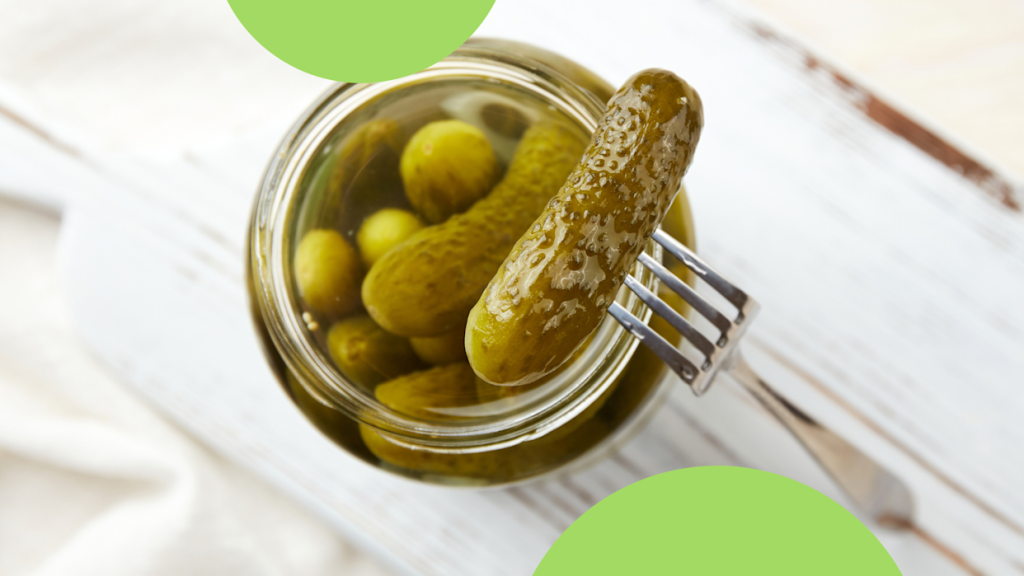
Whether you’re a seasoned runner or just getting back on the pavement, chances are you’re no stranger to calf cramps. Cramps that hit mid-workout can put a serious damper on your training plan, and even those that strike after exercise can make heading back out the next day feel a little more intimidating. When cramps happen, what do you reach for? A banana? A chug of water? Pickle juice?
In the seemingly never-ending quest for natural remedies, athletes and gym-goers are turning to pickle brine shots and Epsom salt baths to help calm muscle cramps and keep them at bay. But do these salty interventions actually work?
As a registered dietitian whose job is to review top sports performance products like creatine and electrolyte powders, I’ve been curious about brines ever since companies started emailing me to test their pickle brine supplements. Besides not being a pickle fan (don’t come for me), I was skeptical about how effective these supplements could actually be. Sure, plenty of people swear by drinking pickle juice when leg cramps hit — but is that practice actually supported by science? And can taking these supplements preventively help keep muscles from cramping in the first place?
To find out, I interviewed two sports nutrition experts who shared valuable insights into the science behind brines, common misconceptions and the dos and don’ts if you want to try this trend yourself.
Why is pickle juice becoming more popular for fitness enthusiasts?
As Matt Dustin, CSCS, a NASM corrective exercise specialist and nutrition coach with Garage Gym Reviews, points out, “Consuming pickle juice for muscle cramp relief is not a new practice by any means.” He adds that society’s current “pickle adoration” (pickle-flavored popcorn, anyone?) is likely contributing to the trend, with influencers marketing it as an “against-the-grain alternative to your classic sports drinks and hydration methods.”
Kurt Johnson, CPT, osteopath and co-founder of One Body LDN, agrees that the rising interest in pickles and fermented foods on social media has likely played a role. As he explains, “Once something gains that kind of traction in food and wellness spaces, it’s not surprising that it spills over into sport, especially when it comes with a simple story about electrolytes or dealing with cramps without the need for costly and chemical supplements.”
However, Johnson notes that cultural trends are just one piece of the puzzle. He also points to practicality as a key factor: “Pickles are cheap, can be bought in most grocery stores and feel like an easy, no-nonsense, more natural fix when something like a cramp hits mid-session, which makes it very appealing in sport.” As the number of workout-targeted supplements continues to balloon — pre-workout powders, energy gels, creatine gummies, oh my! — it makes sense that athletes are searching for a simpler, less costly solution to a common problem.
Another appealing aspect? The promise of immediate relief over hopeful prevention. “Another reason is that, as humans, we like a sensory, tangible experience, and a sharp, salty shot of pickle brine that can stop a cramp is far more enticing to us than ‘invisible’ preventative processes like proper hydration or load management. Essentially, we like the concept of a ‘cure’ over preventative measures, especially something odd like pickle brine, as it makes us feel like we have more immediate control over our body, especially when the results are instant,” says Johnson — which leads to the main question at hand.
Does pickle juice actually help with muscle cramps and exercise recovery?
If your calf muscle is cramping up, there’s good news: pickle juice can likely help. While you might assume it’s the electrolytes — aka sodium and potassium — that deserve the credit, you’d actually be wrong.
According to Johnson, “[Older] research shows that it takes around 30 minutes for even small amounts of pickle brine to be digested, so blood electrolyte levels would not be able to increase meaningfully in this time to stop cramps.” So what’s actually happening?
“Yes, there are electrolytes in the brine itself, but what gives pickle juice its cramp-crushing persona is the acetic acid. This is the sour-tasting aspect of the brine that can trigger a reflex in the back of the throat that signals cramping muscles to relax,” says Dustin, adding that this effect can happen quickly, “making it a viable solution for short-term relief.” Still, keep in mind that research on pickle juice for relieving muscle cramps is limited and most studies are more than 10 years old. In other words? While some people swear by this trend, it might not work for everyone.
Another common misconception is that drinking pickle juice before a workout can prevent cramps entirely. “The reality is that muscle cramps are caused by multiple factors, and fatigue and nervous system drive are major contributors, with many athletes cramping despite normal hydration and electrolytes. So, while pickle brine can sometimes shorten a cramp, that is not the same as preventing them,” says Johnson.
If you regularly experience muscle cramps during or after workouts, Johnson emphasizes the importance of identifying the underlying cause rather than relying solely on pickle juice or other brines: “For recovery on a broader scale, pickle brine isn’t a magical recovery drink and won’t solve every type of cramp or ache. If someone is significantly sore and fatigued after a workout session, pickle juice isn’t going to magically fix or cure it. Likely this is down to deeper issues that need to be addressed, like poor sleep, hydration or bad training load, and while pickle brine is helpful, it’s not a cure-all and is just one part of a recovery plan.”
What about Epsom salt baths?
Epsom salt is a type of salt made from magnesium sulfate. These baths have long been used by active individuals to help ease aches and pains, and they’re also popular among non–gym-goers interested in potential stress-relieving and sleep-promoting benefits. While taking a hot bath can certainly be relaxing, does the magnesium in Epsom salt actually make a difference when it comes to exercise recovery?
“The idea that magnesium from Epsom salts is absorbed through the skin is a popular one, but the evidence behind it is mixed and, at best, limited,” says Johnson. In fact, we reviewed research for this article and couldn’t find any recent or high-quality studies on the use of Epsom salt baths for exercise recovery. If you’re concerned about your magnesium levels, it’s better to focus on eating more magnesium-rich foods, like nuts and seeds, or taking a magnesium supplement.
Still, there’s no need to throw out the bathwater; both Johnson and Dustin agree that the warm water itself offers post-exercise benefits. “This is because heat increases blood circulation to the skin and superficial tissues, which reduces protective muscle tension and encourages relaxation of both the muscles and the nervous system. It also encourages more blood flow to the area, with the extra oxygen helping to repair any tears or pulls that may have occurred during a workout,” Johnson explains.
Just be sure not to stay in the bath for too long. Johnson cautions that using water that’s too hot or soaking for extended periods can lead to dehydration. “This is especially true if your fluid levels are already low after a workout, so stick to a warm short soak, which is more than effective enough,” he says.
Another common myth Dustin and Johnson dispel is the idea that Epsom salt baths detox the body by removing toxins. “Detoxification primarily occurs in organs such as the liver and kidneys rather than the skin, so resting in a soak of magnesium sulfate is not going to have the magical qualities people may perceive in this area,” says Dustin.
Are there safety concerns to be aware of?
For most healthy adults, occasionally slinging back some pickle juice after a workout is likely safe. “For most, a 2/3-cup shot of pickle juice shouldn’t generate negative side effects (aside from some puckered lips). That said, consuming excessive amounts of pickle juice can spike sodium levels, potentially resulting in issues such as hyponatremia or hypertension,” says Dustin. For this reason, both Dustin and Johnson recommend that people with high blood pressure, heart disease or kidney disease avoid drinking pickle juice or other salty brines — especially without first consulting a doctor or other qualified health professional.
Because pickle juice is highly acidic, Johnson also warns that it can cause nausea during training, particularly on an empty stomach, and may worsen symptoms if you have acid reflux or gastritis.
As for Epsom salt baths, the biggest safety concern is if you have open wounds, an active skin condition or a skin infection. In these cases, it’s best to talk to your dermatologist or another health care provider first. Dustin also suggests checking with your doctor before taking a soak if you have kidney disease.
What are the dos and don’ts if you’re interested in trying pickle juice or salt baths?
Curious to try pickle juice the next time your leg cramps up? Or want to see if an Epsom salt bath could be a good addition to your post-workout routine? Here are some of Johnson’s dos and don’ts for athletes and general fitness enthusiasts.
For pickle juice
- Do: “Use it in the moment, ideally at the first sign of a cramp. A small shot is usually enough to see whether it works, as you don’t need large volumes for the effect to occur.”
- Do: “Follow it with water, as pickle brine should complement normal hydration rather than replace it.”
- Don’t: “Use it routinely ‘just in case.’ Regular use isn’t necessary for most people and can increase the risk of stomach irritation or excessive sodium intake.”
- Don’t: “Ignore frequent cramps if they’re happening often; it’s usually a sign to review your sleep, nutrition, conditioning or training load rather than doubling down on brine.”
For Epsom salt baths
- Do: “Keep it simple. Warm, comfortable water and a short soak are enough to promote relaxation and ease the sensation of tightness. Water that is too hot can be counterintuitive and make you feel worse, particularly if you’re already dehydrated.”
- Do: “Use it as a wind-down tool after harder training days, to help your nervous system and muscles relax.”
- Don’t: “Use Epsom salts on broken, irritated or infected skin. This can cause further irritation or complications depending on the type of skin condition.”
- Don’t: Soak for too long. “Given the potential for skin irritation and skin drying, I would recommend keeping soaks between 15 and 30 minutes in warm (not hot) water for optimal muscle relaxation and stress relief,” adds Dustin.
How do brines fit into overall exercise recovery?
Johnson and Dustin agree that while brines can be helpful when used occasionally and in moderation, they shouldn’t be a cornerstone of your wellness regimen. “While pickle juice may be the hot trend for soothing muscle cramps, it is not a cure-all. Proper nutrition, hydration and rest are key to supporting optimal performance in training — there is no substitute for taking proper care of your body.” says Dustin.
Johnson agrees, saying that if you’re not fueling properly, staying hydrated, getting enough rest or training properly, “no amount of pickle brine or Epsom salt baths will help you. A strong foundation made of these fundamental components will keep you safe, healthy and ensure your workouts are most effective.”
Meet our experts
- Matt Dustin, CSCS, a NASM corrective exercise specialist and nutrition coach with Garage Gym Reviews
- Kurt Johnson, CPT, osteopath and co-founder of One Body LDN
Our health content is for informational purposes only and is not intended as professional medical advice. Consult a medical professional on questions about your health.