Why Dave Ramsey Says Retiring at This Particular Age Is a Big Mistake
When you buy through links on our articles, Future and its syndication partners may earn a commission.
Sixty-two seems like the perfect age to retire. You can start collecting Social Security. Plus, you’re still young enough to enjoy it.
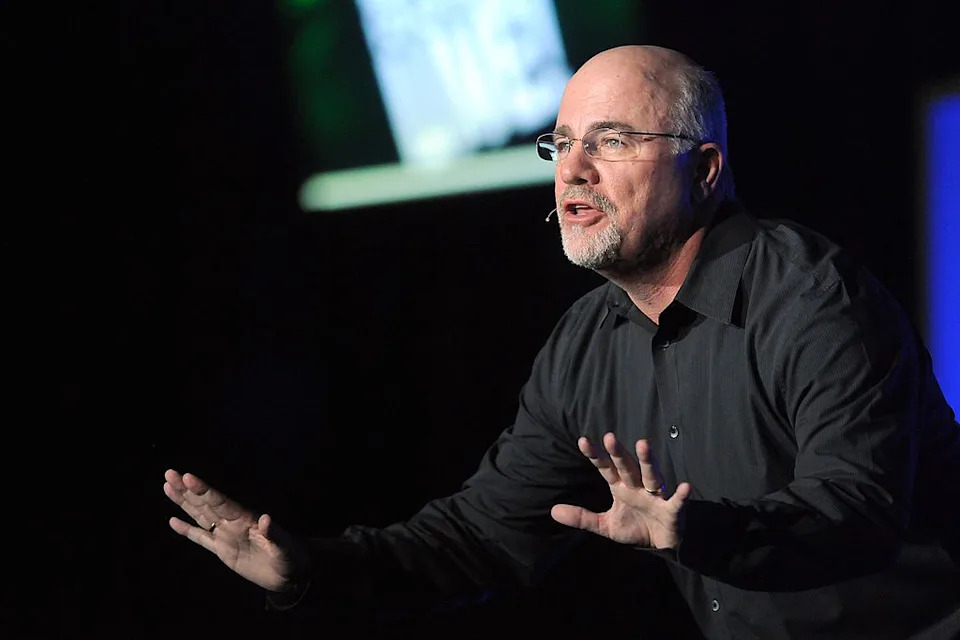
It’s no wonder that 62 is the average retirement age in America. But retiring at that age or earlier could be one of the biggest mistakes a person can make, according to retirement expert, author and podcaster Dave Ramsey.
“People underestimate how long they’ll live and how much money they’ll need,” Ramsey tells Kiplinger.com. “They retire broke or way too early. It’s like jumping out of a plane without checking your parachute.”
This applies to the millions of people who choose to retire early, not those who are forced out of their jobs due to illness, disability, workforce reduction or a sick family member.
Been There, Done That
Ramsey has seen it before. For over twenty years, the author, founder and CEO of Ramsey Solutions and host of “The Ramsey Show,” has helped millions of people get out of debt, take charge of their financial lives and achieve their retirement goals.
He speaks from experience. After running up thousands of dollars in debt and being forced to declare bankruptcy at age 26, Ramsey not only climbed out of the financial hole but went on to build a career teaching others how to achieve financial freedom.
Get expert retirement strategies and lifestyle insights delivered to your inbox. Subscribe to our free newsletter, Retirement Tips.
The knock on retiring early
Retiring early is the dream of millions of Americans, regardless of whether that means exiting the workforce in their 50s or early 60s. While there are advantages to early retirement, there are also clear disadvantages that make Ramsey staunchly against it.
For starters, if you retire before Medicare kicks in at age 65, you will have to pay for your own healthcare, which can get expensive. Plus, if you don’t plan to work at least part-time, you’ll have to figure out how to grow your savings and generate cash flow. With so many years without a steady income, there is a chance you could run out of money. If you retire at 62 and collect Social Security, be willing to take up to a 30% reduction in benefits for your lifetime.
All of this may be fine if you’ve saved enough for retirement and you’re flush with cash. But if you rely on Social Security to supplement your monthly income, a reduction in your benefits because you retired early could impact your quality of life. Additionally, retiring early means less money saved and more years you have to draw from your savings.
“Don’t retire until you’re truly ready,” says Ramsey. “That means zero debt, a fully funded nest egg, and a clear monthly budget. Work longer if you need to, and budget like your future depends on it — because it does.”
Retire debt-free
Retiring with debt is another one of the biggest retirement mistakes Ramsey encounters. People think they can handle the monthly mortgage payment and/or car payment, but one unexpected illness or accident, and all of a sudden, they are in over their heads.
That’s why Ramsey says people should be entirely debt-free in retirement, including paying off their mortgage, regardless of a low interest rate. When you owe money, you can’t achieve financial freedom and security in retirement, he says.
Attack that debt with intensity now, before you step into your golden years,” says Ramsey.
It’s never too late to fix your retirement mistakes
Retirement isn’t the end of the road. If you retire too early or with too little money, you have options to correct that. You can return to the workforce, downsize or reduce your budget.
If you haven’t retired yet, you can save more or delay retiring to get yourself in a better position later.
“It’s never too late to start doing the right thing,” says Ramsey. “You may not have 40 years left, but you’ve got today. And that’s enough to start turning the ship around.”
Editor’s note: This article is part of an ongoing series in which we ask influential personal finance figures to share their opinion on the biggest retirement mistake you can make. Other articles feature Suze Orman, Grant Cardone and Ramit Sethi.