Opinion: The new $45 TSA fee will hit low-income travelers hardest
I travel for a living, and you’d think that would mean I had my REAL ID long before the final deadline. I didn’t. I kept putting it off because of the cost. Like many people who have been married, I had to track down additional paperwork, including certified copies of old marriage records, to link my current name to my birth certificate. By the time I added up the fees, it cost $25 for a certified birth certificate, $35.50 for a certified marriage certificate, and $8.25 for the REAL ID upgrade itself. The total came to $68.75, not including lost income from time away from work. I was fortunate enough to afford it, but plenty of people aren’t.
While $68.75 may not sound like much, it represents a significant burden for travelers living below the poverty line or moving from paycheck to paycheck. I live in Nevada, where the minimum wage is $12 an hour, but the federal minimum wage remains $7.25.
For someone earning Nevada’s minimum wage, covering the paperwork and upgrade fees similar to mine would cost nearly six hours of labor. In states tied to the federal minimum, it amounts to nearly nine hours. That’s more than a full workday just to meet the basic requirements for a compliant ID, without counting transportation, wait times, missed wages, or childcare.
Real ID fees are barriers for struggling workers

While $68.75 may be peanuts for some, it’s a considerable investment for travelers who live below the poverty line or paycheck to paycheck. Here in Nevada, the minimum wage is $12, while the federal minimum wage is $7.25.
Although my costs aren’t universal, they are far from extraordinary. A minimum-wage worker in Nevada would have to work almost 6 hours to earn enough to cover similar fees. In states where people struggle to get by on the federal minimum wage, they’d have to work almost nine hours. That’s more than a full day of work just to cover potential REAL ID fees, not including time off work or transportation to and from the in-person appointment.
Why REAL IDs are controversial

The Transportation Security Administration (TSA) wants everyone to get a REAL ID. I get it. The program was created after the 9/11 Commission recommended more secure driver’s licenses. Congress finally passed the REAL ID Act in 2005, setting federal requirements for how states verify identity, residency, and lawful status before issuing a compliant license.
Still, implementation moved slowly as states struggled to upgrade systems and processes.Full airport enforcement finally launched on May 7, 2025, after several extensions announced by the Department of Homeland Security.
Yet REAL ID has faced consistent controversy, and not everyone agrees the system is worth the tradeoffs. The ACLU argues that REAL IDs are problematic because they “mean higher fees, longer lines, repeat visits to the DMV, and bureaucratic nightmares for individuals.” And as always, low-income individuals will suffer the most.
A loophole is closing for low-income individuals

When REAL ID enforcement started earlier this year, there was a loophole. Travelers without the required documentation weren’t prevented from traveling, but at some airports, they were subject to additional screening. This sometimes included bag inspections, pat-downs, and footwear removal, even after the shoes-off mandate was lifted. It was a little inconvenient, but it still allowed people to travel, even if they couldn’t afford a REAL ID. Now this is changing.
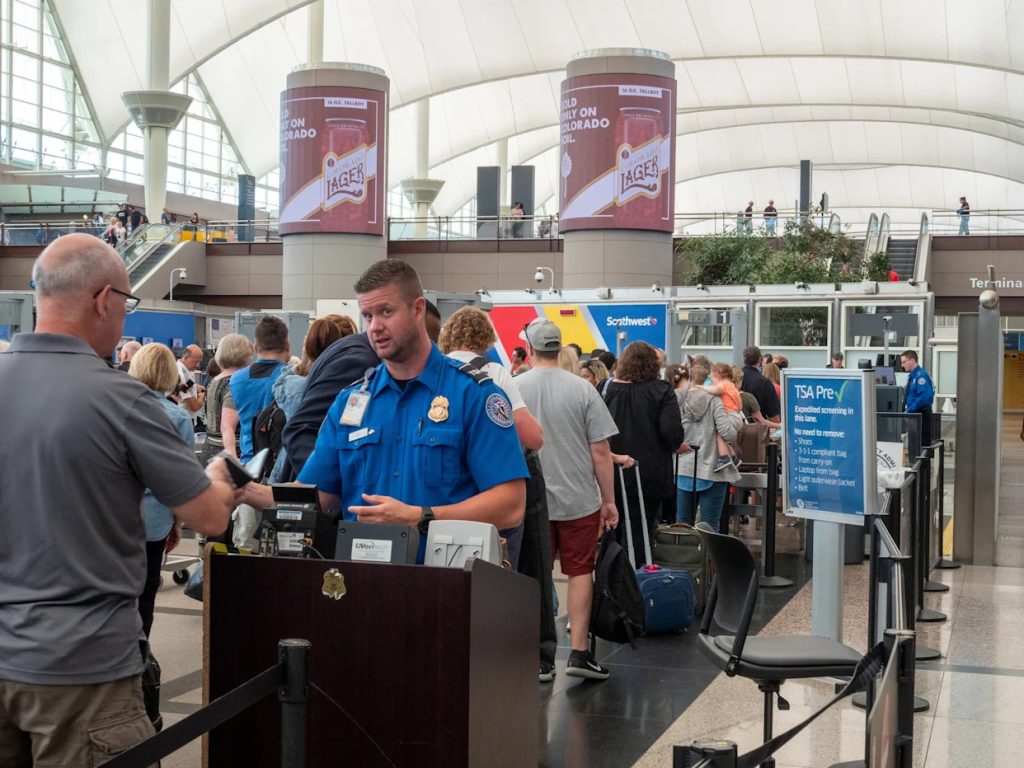
TSA just announced that starting February 1st, 2026, travelers will be charged a $45 fee to fly without a REAL ID, passport, or acceptable documents. This means low-income Americans who can’t afford a REAL ID or passport will somehow have to be expected to face a hefty fine when they show up at the airport. For perspective, if you have a job that pays the federal minimum wage, you’d have to work over just six hours to earn enough money for the penalty.
The TSA says the process for paying the fee will vary by airport, adding an extra layer of confusion to the rollout. The agency is working with private vendors to allow travelers to pay for the process before arrival at the airport, potentially creating yet another barrier for unbanked individuals who don’t have access to credit or debit cards.
The bottom line

Airport security is important, but so is the financial security of American citizens. It is essential to make sure we don’t get so wrapped up in red tape that we ignore accessibility. A $45 fee is too high, unless Congress is prepared to raise the federal minimum wage. That would be the best solution of all.